
Featured Reports
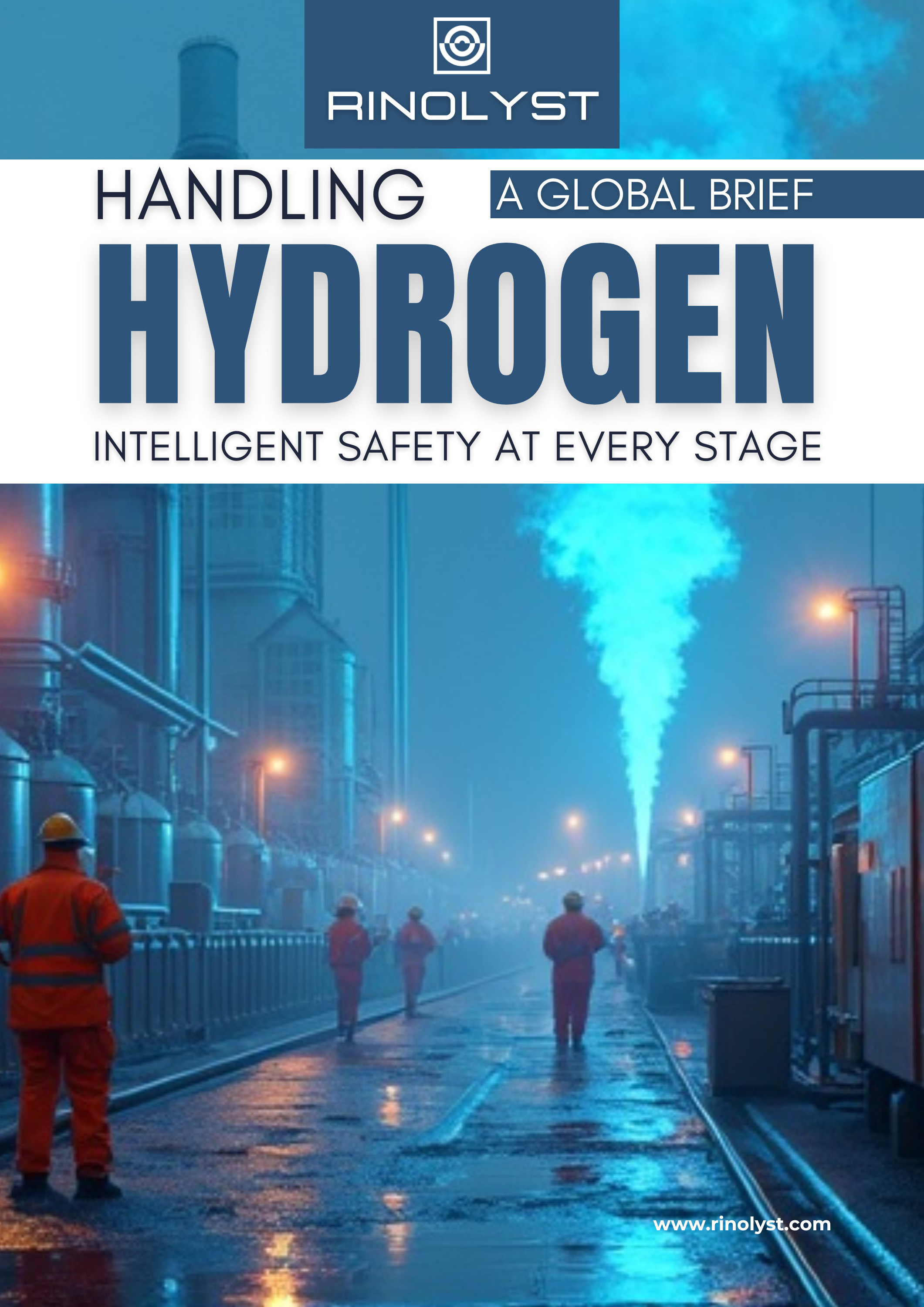
Handling Hydrogen - Intelligent Safety at Every Stage
This brief covers hydrogen hazard fundamentals, 954-incident HIAD lessons, three landmark case discussions, and intelligent safety systems across production, transport, storage, and end use.
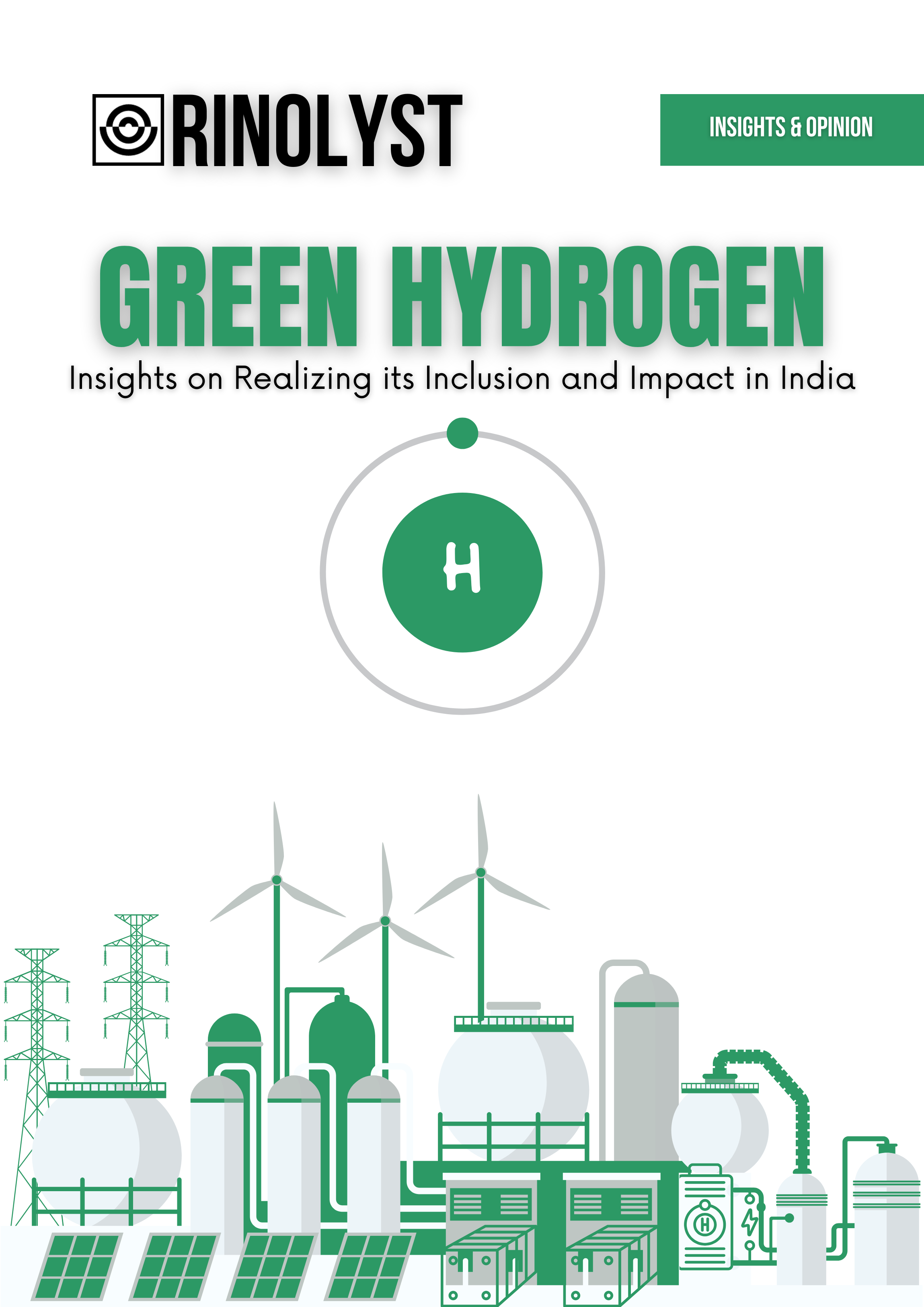
Green Hydrogen
India's green hydrogen landscape is evolving swiftly under the National Green Hydrogen Mission, with diverse initiatives spanning refineries, fertilizers, steel mills, mobility solutions, power systems, and novel applications in agriculture and urban resilience. RINOLYST invited professionals from research institutions, manufacturing companies, energy utilities, policy bodies, and consulting firms to contribute their sectoral insights, challenges, and recommendations across eight critical dimensions of green hydrogen development. This report gathers firsthand perspectives from these practitioners, who are each engaged directly or indirectly in India's green hydrogen ecosystem, to enrich understanding of the sector's evolution and highlight practical viewpoints on market transparency, inclusive development, value chain optimization, sectoral integration, innovation pathways, investment strategies, regulatory enablement, and phased implementation. By presenting these varied insights side by side, the report complements existing literature and showcases real-world experiences, illustrating how stakeholders are translating ambitions into ongoing projects and pilots. Readers will find a well-rounded collection of observations, examples, and considerations that add depth to the conversation on scaling green hydrogen in India, serving as a valuable reference for anyone engaging with this dynamic energy transformation.
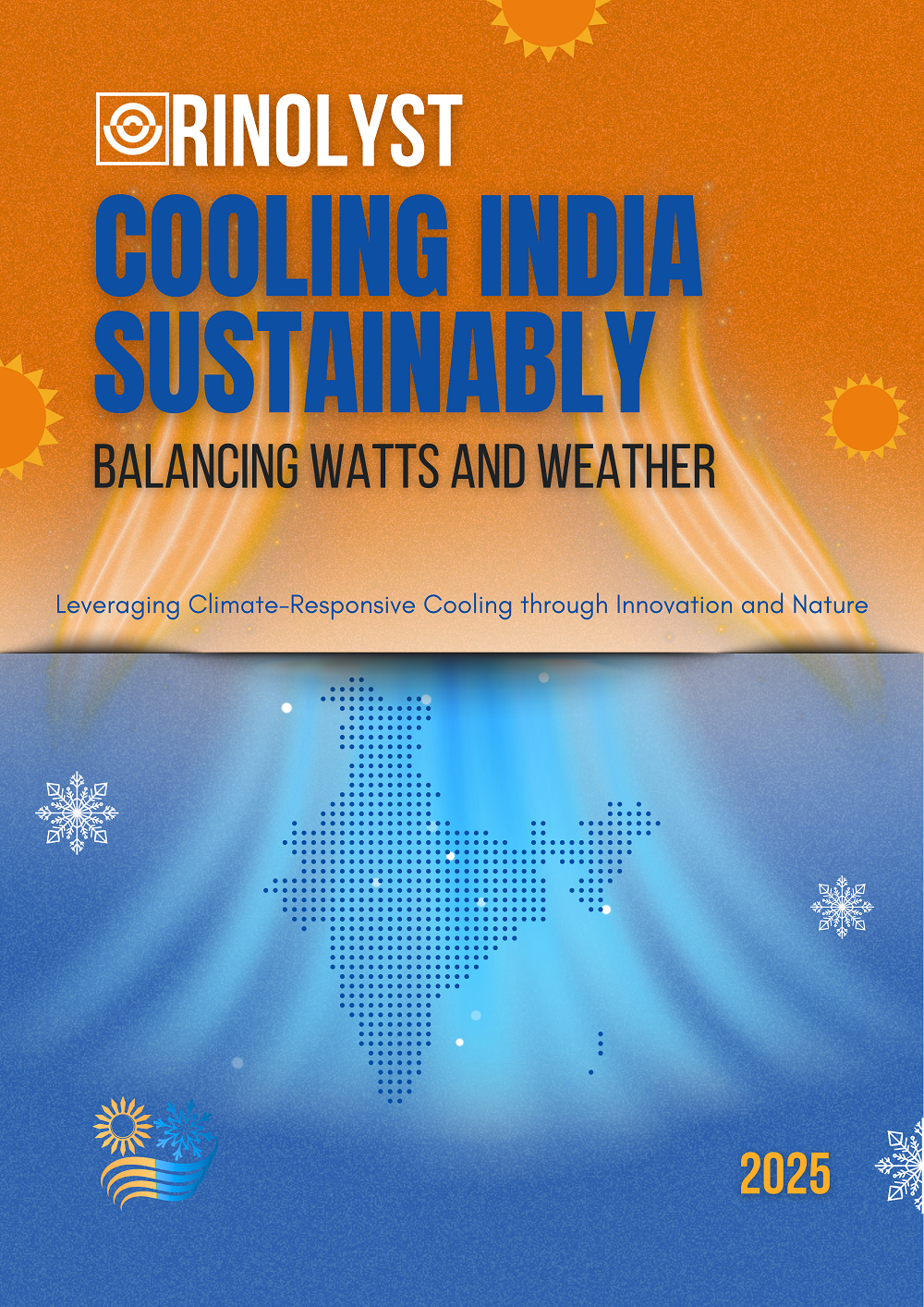
Cooling India Sustainably
As heatwaves become longer, stronger, and more widespread, cooling has moved from a personal comfort to a public necessity, critical for safeguarding health, stabilizing energy systems, and meeting India’s climate targets.
Key Insights
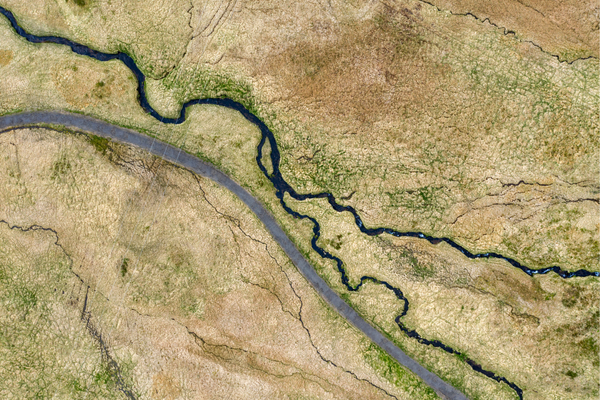
Effects of Climate Change on Future Groundwater Availability
Climate change disrupts groundwater recharge and quality through altered precipitation, rising temperatures, and sea-level rise, threatening a critical resource that sustains 30% of global freshwater withdrawals and ecosystems worldwide.
1. Groundwater’s Critical Role
-
Represents 30% of Earth’s freshwater (vs. 1% in rivers/lakes), supporting drinking water, agriculture (e.g., 100% reliance in arid regions), industry, and ecosystems like wetlands.
-
Acts as a buffer during droughts but faces unprecedented stress from climate change and over-extraction.
2. Climate-Driven Hydrological Disruption
2.1 Precipitation Shifts:
-
Increased rainfall: Higher runoff reduces aquifer recharge.
-
Decreased rainfall/drought: Directly lowers recharge, depleting reserves.
-
Seasonal timing changes: Rain outside growing seasons may boost recharge but disrupts agricultural reliance.
2.2 Rising Temperatures:
- Amplify evaporation and plant transpiration, reducing soil moisture and recharge rates.
3. Quality Threats from Sea-Level Rise
-
Saltwater intrusion contaminates coastal aquifers (e.g., Indo-Gangetic Plain), rendering water unusable for drinking/irrigation.
-
Coastal flooding exacerbates salinity, threatening densely populated regions.
4. Compounding Vulnerabilities
-
Existing pressures (over-extraction, pollution from arsenic/fluoride) are intensified by climate stressors.
-
Ecosystem collapse: Groundwater-dependent ecosystems (wetlands, rivers) face depletion during dry periods, risking biodiversity loss.
5. Regional Tipping Point: The Indo-Gangetic Plain
- Combines monsoon unpredictability, declining recharge, temperature-driven evaporation, and contamination – jeopardizing water security for millions and food production in a key agricultural zone.
6. Urgent Need for Adaptive Management
-
Groundwater is not an infinite buffer; climate change exposes its fragility.
-
Solutions require integrated monitoring, sustainable extraction policies, and contamination mitigation – especially in climate-vulnerable regions.
Critical Implication
Groundwater’s invisibility masks its vulnerability. As climate change accelerates, protecting this resource demands proactive governance to prevent cascading impacts on food security, ecosystems, and human settlements – particularly in over-exploited and coastal zones like the Indo-Gangetic Plain. Failure risks transforming a strategic reserve into a crisis epicenter.
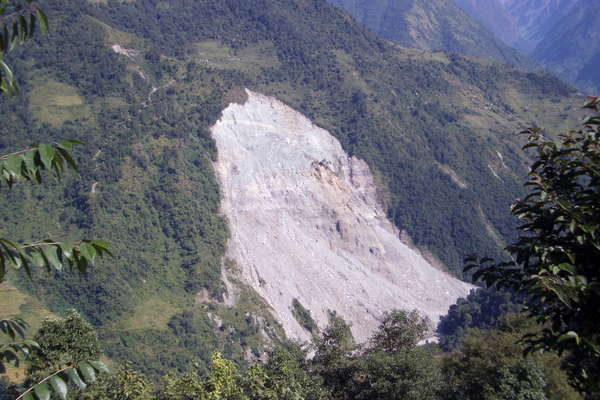
The Rise in the Himalayan Landslides
Rising Himalayan landslides are a symptom of climate change (warming, glacial melt, erratic rainfall) interacting with human activities, escalating risks in an inherently vulnerable region.
1. Escalating Landslide Frequency & Intensity
- Landslides in the Himalayas are becoming more frequent and severe due to combined natural and human factors.
2. Dual Drivers: Climate Change + Human Activities
-
Climate Change: Accelerated Warming: Higher than global average, causing rapid glacier melt and soil saturation.
-
Extreme Rainfall: Altered monsoon patterns intensify precipitation, triggering slope failures (e.g., Leh 2010, Kedarnath 2013).
-
Glacial Instability: Melt forms unstable glacial lakes; outburst floods cause cascading disasters (e.g., Chamoli 2021).
-
Human Pressures: Deforestation, unsustainable construction, and mining destabilize slopes.
3. Case Studies Confirm Climate Link
-
Leh (2010) & Kedarnath (2013): Cloudbursts/floods from climate-driven rainfall caused massive landslides.
-
Nepal (2015): Earthquakes triggered landslides amplified by climate-weakened slopes (rain-saturated soil).
-
Chamoli (2021): Glacial collapse linked to warming, unleashing deadly debris flows.
4. Inherent Vulnerability of the Himalayas
- Steep terrain, young geology, and seismic activity make the region naturally prone to landslides, now worsened by climate impacts.
5. Projected Increase
- NASA research warns of more frequent landslides in the future due to ongoing climate change.
.png?alt=media&token=a5dcf953-3103-427d-9412-401ff8657526)
Stable Auroral Red Arcs (SAR)
SAR arcs are rare, equator-adjacent red glows from superheated atmospheric oxygen, revealing invisible energy transfers during geomagnetic storms, distinct from typical particle-driven auroras.
1. Unusual Origin & Appearance
-
Forms at sub-auroral latitudes (nearer equator), not polar regions.
-
Appears as a monochromatic red arc (630 nm wavelength) spanning 100+ degrees longitude but only 1°–2° wide.
-
Caused by extreme electron heating (up to 3000+ K) in the ionosphere’s F-region (300–500 km altitude), not by precipitating particles like typical auroras.
2. Physics of the Red Glow
-
Energy source: Magnetospheric plasma 10,000–20,000 km above Earth funnels heat along magnetic field lines.
-
Emission mechanism: Heated electrons collide with atomic oxygen, exciting it to a "¹D" state. As these atoms slowly decay, they emit red light (collisional de-excitation).
-
Critical conditions: Requires low particle density (above 200 km) for radiative decay to dominate over collisions.
3. Historic Ladakh Observation (Nov 2023)
-
Rarely seen at 33°N latitude (Hanle/Merak, India), attributed to a G3-class geomagnetic storm.
-
Documented via all-sky cameras by the Indian Institute of Astrophysics; appeared as a red band on the northern horizon for ~2 hours.
-
Highlights Ladakh’s value as a global astronomy hub and the potential for "astro-tourism."
4. Scientific Significance
-
Signals intense space weather events, acting as a visible tracer of magnetosphere-ionosphere energy coupling.
-
Contrasts with colorful auroras: SARs are structurally stable, diffuse, and lack rapid motion.
Why This Matters
SAR arcs transform abstract space physics into a striking visual phenomenon. Their expansion toward equatorial zones during storms, like the Ladakh event, offers a unique probe into Earth’s space environment while showcasing the synergy of cutting-edge observatories and celestial wonder.
SAR arcs are the silent, scarlet fingerprints of geomagnetic storms, making invisible energy flows visible to the human eye.
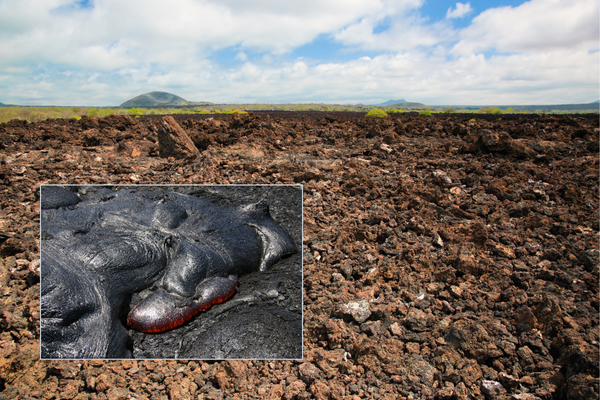
How can Basalt rocks help in fighting global warming?
Basalt's unique geochemistry enables permanent, large-scale CO2 sequestration through natural mineral carbonation reactions, offering a durable solution to atmospheric carbon excess.
1. The Problem Scale: Human activity emits ~40 gigatonnes (Gt) of CO₂ annually, accelerating global warming. Atmospheric CO₂ now exceeds pre-industrial levels (280 ppm) at an unprecedented rate (~2.3 ppm/year). Mitigation requires removing 100-1000 Gt of CO₂ by 2100 to stay below 1.5°C warming (IPCC, 2018).
2. Basalt's Advantage: Its abundance (Earth's most common igneous rock) and mineralogy (rich in reactive calcium, magnesium, and iron silicates like plagioclase, pyroxene, and olivine) make it exceptionally effective for CO₂ storage compared to other rock types.
3. The Mechanism - Mineral Carbonation: CO₂ reacts with basalt minerals in the presence of water, forming stable solid carbonate minerals (e.g., calcite, magnesite, dolomite). This process safely locks away CO₂ for geological timescales (thousands to millions of years).
-
Step 1: CO₂ dissolves in water, forming carbonic acid (H₂CO₃).
-
Step 2: Acid dissolves basalt minerals, releasing Ca²⁺, Mg²⁺, Fe²⁺ cations.
-
Step 3: Cations react with dissolved CO₂ (as bicarbonate/carbonate ions) to precipitate solid carbonate minerals.
4. Deployment Strategies:
-
In-situ Mineral Carbonation: Injecting CO₂ dissolved in water deep into porous subsurface basalt formations, where reactions occur underground (e.g., CarbFix project, Iceland).
-
Enhanced Rock Weathering (ERW): Spreading finely crushed basalt on land surfaces. Natural rainwater acidity (carbonic acid) accelerates weathering, consuming CO₂ and forming bicarbonates washed into the ocean for long-term storage.
-
Direct Injection into Aquifers: Injecting CO₂ directly into deep basalt aquifers, where it dissolves and reacts with surrounding rock.
5. Why Basalt Excels:
-
High Reactivity: Minerals readily dissolve in acidic CO₂-water solutions.
-
Permanent Storage: Carbonates are stable solids, eliminating leakage risk.
-
Vast Global Availability: Ubiquitous on land and under oceans (flood basalts, oceanic crust, volcanic islands).
-
Geological Durability: Basalt formations are typically stable over millennia.
6. Current Status & Urgency: Projects like CarbFix (Iceland) and UNDO (UK) demonstrate commercial feasibility. However, scaling to the required Gt-level removal demands significantly increased investment, research, and policy support to meet IPCC climate targets.
Basalt acts as a natural chemical sponge for CO₂. By accelerating and harnessing its inherent carbonation reactions through engineered methods (injection, enhanced weathering), we can transform excess atmospheric carbon into harmless rock, providing a powerful, permanent tool in the fight against climate change. Scaling this technology is critical for achieving necessary carbon removal targets.
.png?alt=media&token=e756cf54-dc5f-4a6f-811b-6e8163e69c43)
Thermal Surge: How Summer Heatwaves Are Reshaping India’s Peak Electricity Demand
India’s April-June heatwaves now dictate national electricity peaks, with demand surging in lockstep with temperatures due to cooling dependency. This systemic shift stresses grids, demands 400 GW by 2030, and urgently requires super-efficient cooling and passive design to avert emissions-intensive infrastructure.
Strong Temperature-Demand Correlation:
-
The April-June (summer) quarter consistently exhibits the highest peak temperatures and peak electricity demand across all years.
-
Electricity demand surges mirror temperature spikes, indicating increasing reliance on active cooling (e.g., air conditioners) to maintain livability.
Summer as Critical Stress Period:
-
Summer is India’s "most climatically stressful period," with even modest temperature rises triggering disproportionate demand surges.
-
This shift is systemic, not just seasonal, reshaping baseline and peak energy consumption patterns nationwide.
Escalating Grid Pressure:
-
Between 2012–2024, intraday peak demand during heatwaves doubled, with the most pronounced spikes in afternoon/early evening hours.
-
Projections indicate peak demand could exceed 400 GW by 2030 due to prolonged heatwaves and AC penetration, straining generation/distribution infrastructure.
Fundamental Shift in Demand Profile:
-
Cooling-driven loads are causing a transition from traditional baseload patterns to weather-contingent demand, making cooling the "key load driver."
-
Without intervention, this risks chronic grid stress, inefficient load balancing, and carbon-intensive backup generation.
Urgent Need for Integrated Solutions:
- Addressing this requires:
Super-efficient, regionally adapted cooling appliances (e.g., high-ISEER ACs).
Passive cooling investments (building design, urban planning) to reduce active cooling dependency.
- Energy efficiency and renewable integration (especially solar) are critical to avoid compromising energy security/emissions goals.
India’s energy system is being "recalibrated around thermal discomfort," necessitating policy and technological alignment to ensure grid resilience and equitable cooling access.
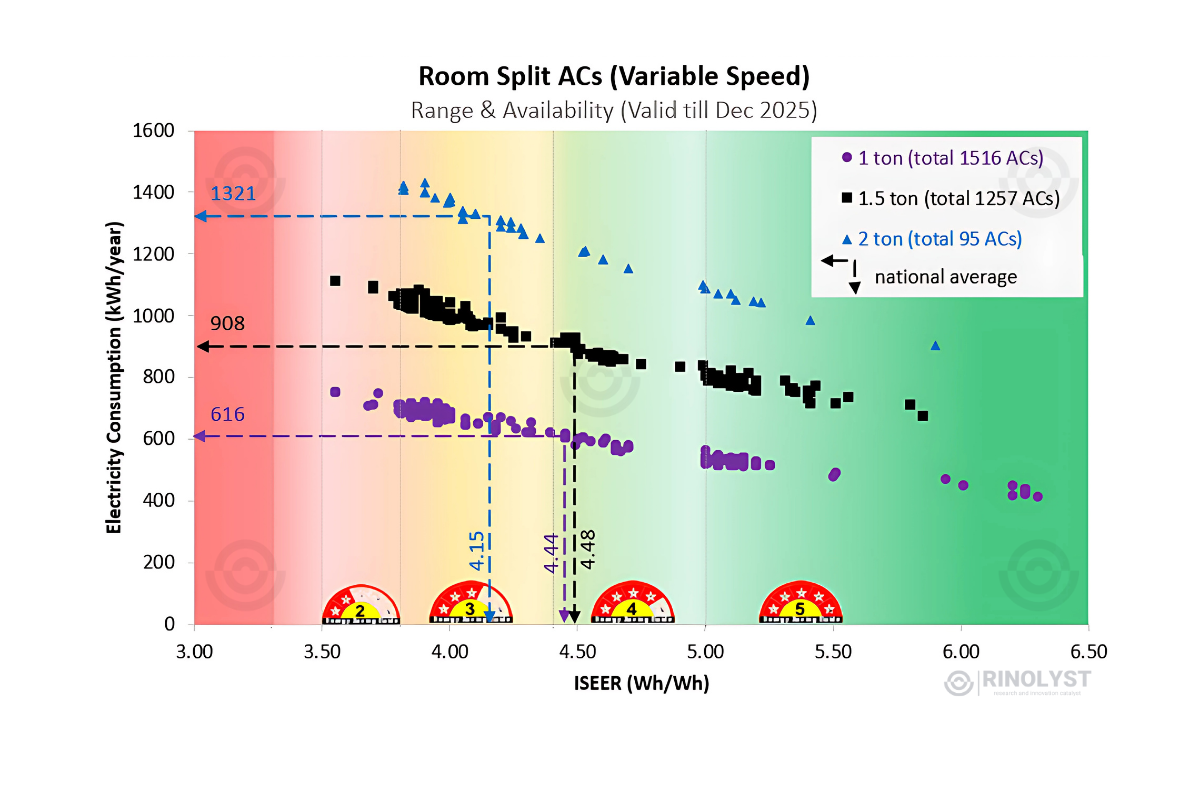
The Efficiency Illusion: Why India's AC Market Falls Short of Its Energy-Saving Potential
India’s AC market clusters models at the minimum ISEER thresholds (3.8 for 3-star, 5.0 for 5-star) to maximize star ratings while minimizing innovation costs. This creates a 30–50% gap between top-performing and average units, wasting energy despite advanced technology being commercially available.
1. Strategic "Just-Passing" Design:
- ~2,900 variable-speed ACs cluster near the lowest acceptable efficiency within star bands:
3-star models dominate, with most hovering just above ISEER 3.8 (minimal upgrade from 2-star).
5-star models typically cap at ISEER 5.0–5.5, while units >6.0 ISEER (e.g., 400 kWh/year for 1-ton) are rare "premium" offerings.
- 4-star ACs (ISEER 4.4–4.99) are conspicuously sparse, indicating market avoidance of mid-tier efficiency.
2. Real-World Energy Penalty:
- Massive consumption disparities:
1-ton ACs: Most efficient = 400 kWh/year vs. national average = 616 kWh/year (54% higher).
2-ton ACs: Best-in-class = 900 kWh/year vs. average = 1,321 kWh/year (47% higher).
- Labels ≠ Performance: 39% of 1–1.5-ton units are "5-star," yet national averages align with 3–4 star efficiency.
3. Market Dynamics Driving Waste:
-
Manufacturer strategy: Prioritize "star compliance" (e.g., ISEER 5.0) over genuine efficiency gains to boost margins.
-
Consumer behavior: Price-driven buyers select the cheapest high-star unit, lacking data on actual kWh/year or lifetime costs.
-
Rating system limitations: Broad ISEER bands (e.g., 5.0+, all labelled "5-star") mask performance differences.
4. Untapped Technical Potential:
-
Ultra-efficient ACs (>6.0 ISEER) exist but represent limited in units, treated as niche products.
-
National weighted ISEER stagnates at 3.5–4.0 despite technical potential exceeding 6.0.
5. Bridging the Gap:
-
Enhanced labelling: Disclose kWh/year and introduce sub-tiers (e.g., 5-Star Gold) to distinguish true efficiency.
-
Market incentives: Subsidies linked to verified energy savings (not star ratings) for mass adoption of high-ISEER units.
-
Industrial opportunity: "Make in India" can scale affordable high-efficiency ACs (>5.0 ISEER) tailored to regional climates.
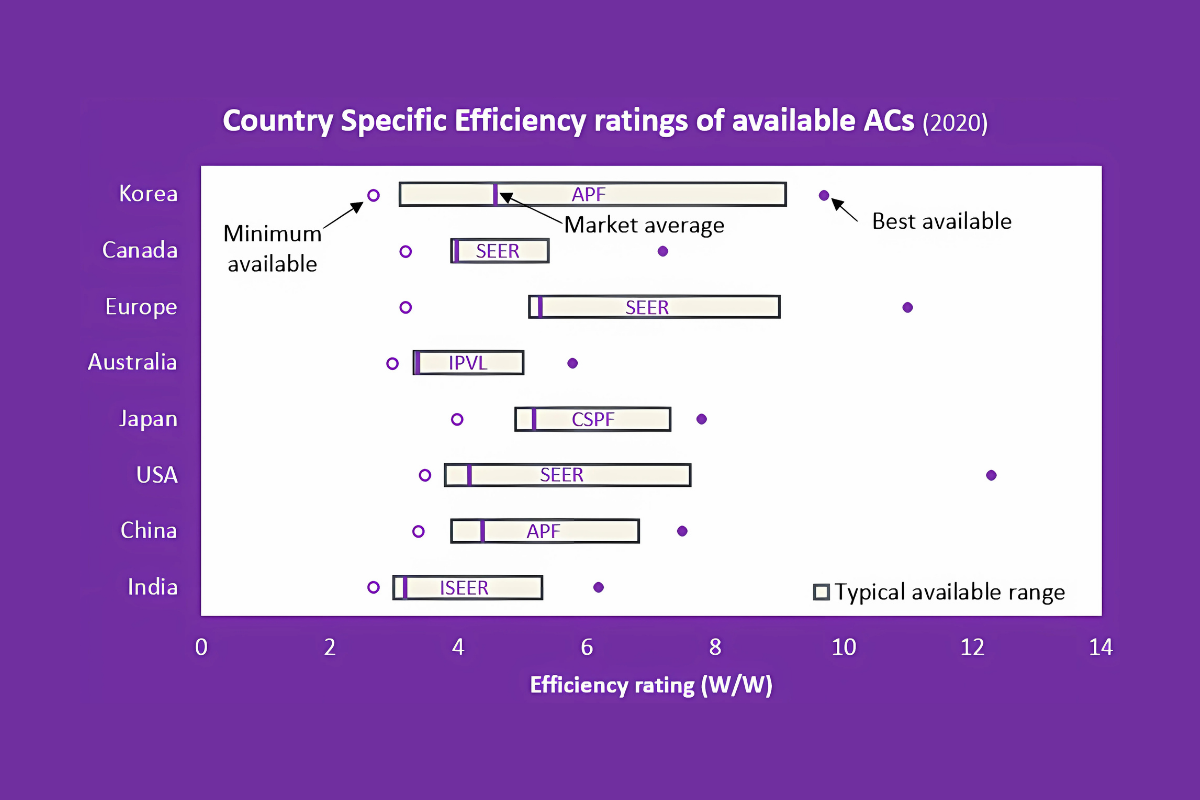
Global Insights: Pathways to Elevate India's Cooling Efficiency
India's AC efficiency landscape shows promising potential, with domestic models now reaching 6.3 W/W. As cooling demand grows, aligning with global best practices in technology and labelling could unlock significant energy savings and position India as a leader in sustainable cooling innovation.
1. Progress and Potential:
-
India’s efficiency range (2.9–6.3 W/W) reflects advancing capabilities, with ultra-efficient units (>6.0 W/W) now domestically produced.
-
Market averages (~3.2 W/W) show opportunity for growth compared to global leaders like Japan (>5.0 W/W) and Europe (>5.0 W/W).
2. Learning from Global Models:
-
Markets like Japan and Europe achieve higher averages through refined labeling (e.g., multi-tiered A+++/G scales) and performance-focused standards.
-
Innovation ecosystems in the U.S. and China support broader adoption of high-efficiency units (4–5 W/W avg.).
3. Collaborative Opportunities:
-
Modernizing India’s labeling with 8–10 efficiency tiers (e.g., 5-Star+) could enhance consumer awareness and drive demand for advanced models.
-
Industrial synergy: "Make in India" initiatives could scale production of units >5.0 W/W, leveraging existing technical expertise.
4. Balancing Growth and Sustainability:
-
Adopting globally proven approaches, like narrowing efficiency spreads (Japan/Canada) and green financing, could reduce energy waste while meeting rising cooling needs.
-
Every 1 W/W efficiency gain per AC could save ~250–400 kWh/year, supporting India’s energy security goals.
5. Forward-Looking Integration:
-
Blending performance transparency (e.g., kWh/year disclosures) with market incentives can accelerate adoption of efficient models.
-
Cross-sector collaboration could position India as a hub for climate-adaptive cooling technologies suited for Global South regions.
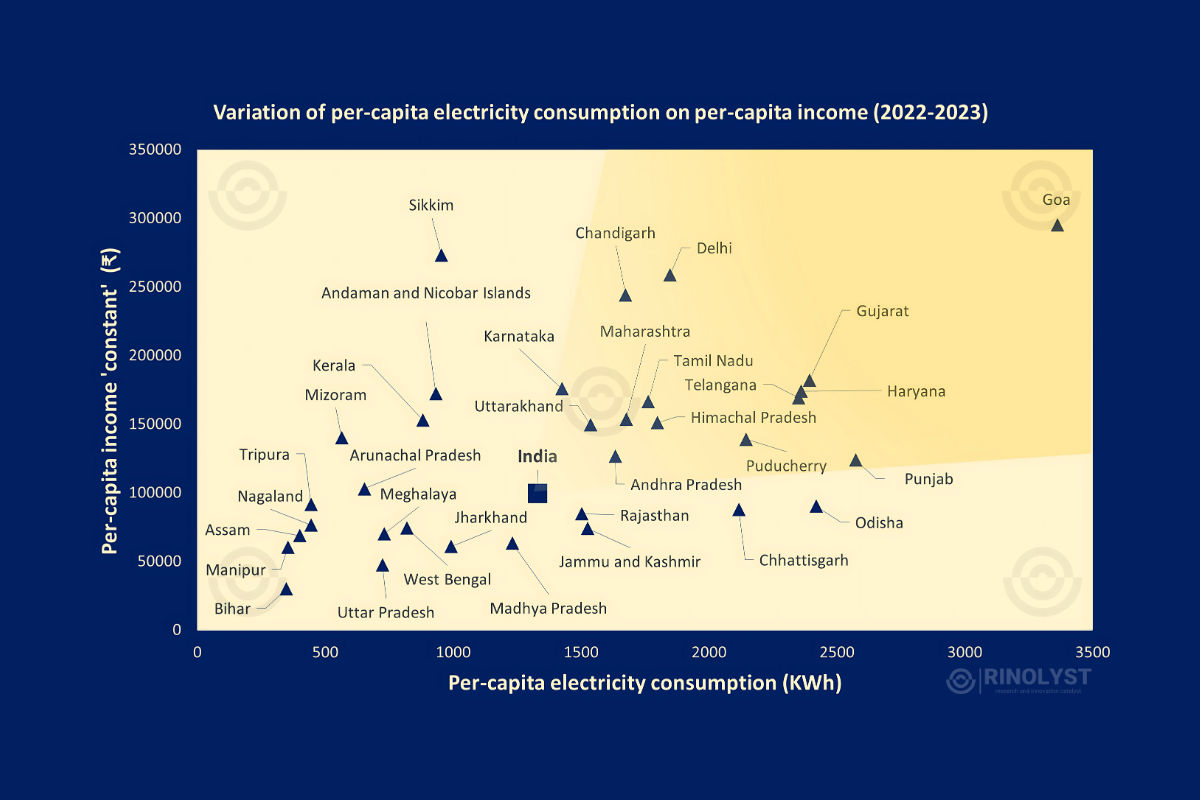
Mapping India's Cooling Readiness: Income and Energy Access as Catalysts
Indian states show diverse pathways in cooling adoption, with high-income regions primed for advanced solutions and emerging economies offering innovation opportunities. Strategic, regionally tailored approaches can turn this diversity into a strength, advancing equitable and sustainable cooling nationwide.
1. Regional Readiness for Cooling Adoption:
- High-Income, High-Consumption States (Goa, Delhi, Gujarat):
Exhibit strong capacity for premium efficiency solutions (e.g., 5-star inverter ACs).
Ideal for pilots in solar-integrated cooling and demand-response programs.
- Low-Income, Low-Consumption States (Bihar, Uttar Pradesh, Assam):
Require ultra-affordable, high-efficiency units (e.g., low-power ACs ≤500W) paired with decentralized solar.
Opportunity for "Make in India" initiatives targeting regionally tailored appliances.
2. National Progress & Equity Focus:
-
All states advanced economically and energetically (2009–2023), with per-capita electricity use nearly doubling nationally.
-
Median profile (2023): ₹99,400 income & 1,330 kWh consumption, a baseline for inclusive cooling strategies.
3. Three-Tiered Opportunity Framework:
-
High-affluence states: Deploy smart, grid-interactive cooling (e.g., time-of-use tariffs).
-
Mid-tier states (Maharashtra, Tamil Nadu): Scale mid-efficiency ACs (4–5 stars) via bulk procurement.
-
Heat-vulnerable states: Bundle ultra-efficient ACs (ISEER ≥4.5) with solar microgrids and "cooling equity" financing.
4. Consumer Empowerment Tools:
-
Digital platforms for lifespan cost calculations and climate-specific AC selection can drive informed choices.
-
Direct benefit transfers linked to efficiency purchases could overcome upfront cost barriers.
5. Decoupling Growth from Emissions:
-
Projected 2050 outlook: Income triples and electricity use doubles, and per-capita emissions fall one third, around 35% (1.7 tCO₂).
-
Enabled by solar-coupled ACs, efficiency gains, and equity-focused finance.
India’s regional diversity invites collaborative innovation, transforming cooling from a challenge into an engine for sustainable growth and resilience.
Innovating for Efficiency: Smart Climate Tech as India's Cooling Game-Changer
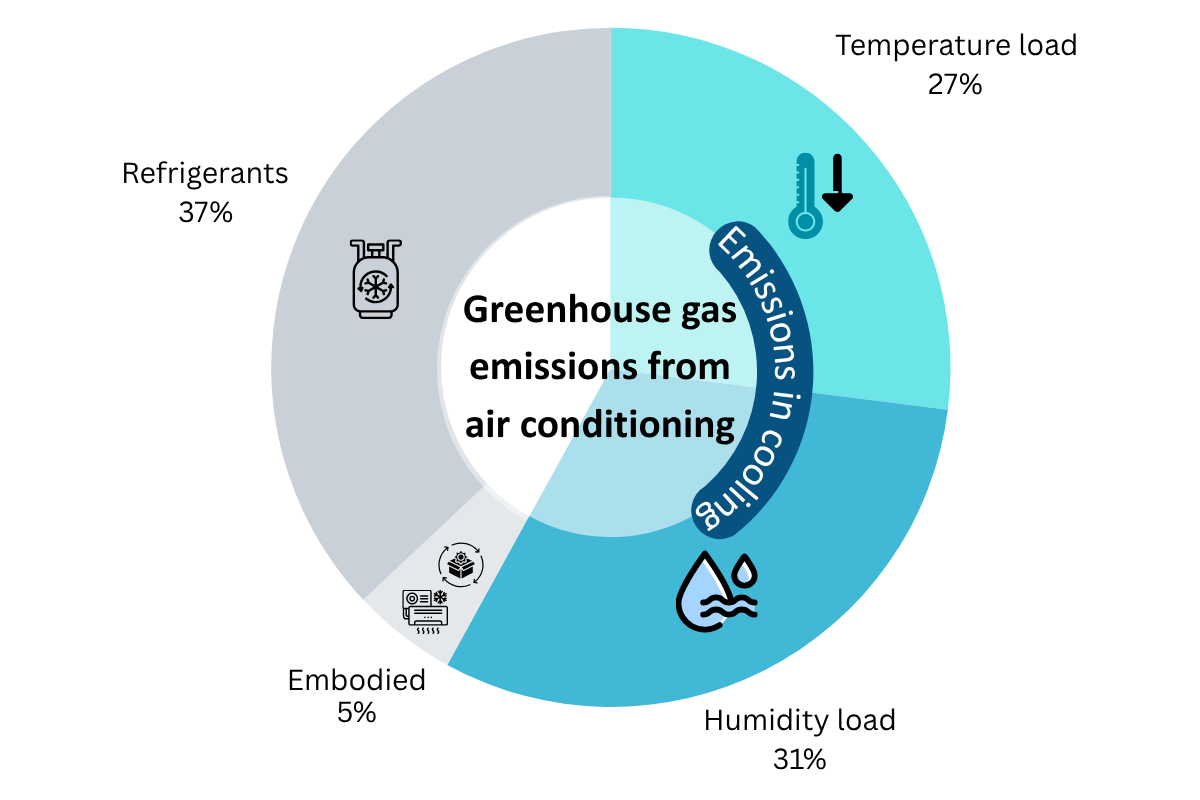
Nearly one-third of cooling emissions stem from humidity control, a challenge uniquely amplified in India's climate. Innovations in hybrid dehumidification and geo-tailored IoT systems offer 40-60% energy savings, positioning India for climate-smart cooling leadership.
1. Humidity’s Hidden Footprint:
-
31% of AC emissions (599 MtCO₂eq, 2016) originate from humidity removal—exceeding temperature control (27%) and second only to refrigerants (37%).
-
Coastal cities (>80% humidity) bear disproportionate impacts, with latent loads dominating energy use.
2. Breakthrough Hybrid Systems:
-
Solar-regenerated desiccants and membrane dehumidifiers decouple humidity/temperature control, boosting efficiency by 1.5–3x and cutting emissions up to 42%.
-
Liquid lithium chloride systems show 20–100% COP gains in field trials, ideal for high-humidity zones.
3. Region-Optimized Intelligence:
-
IoT-driven automation: Pre-cooling/dehumidifying based on weather forecasts slashes energy waste (e.g., Chennai/Kolkata).
-
Geo-specific branding: "Coastal Comfort" or "Desert Ready" ACs with dust filters (Rajasthan) or multi-stage air purification (Delhi) enhance market appeal.
4. Solar Synergy:
- Rooftop PV-powered inverter ACs reduce grid strain, especially during peak daytime cooling.
5. Innovation Ecosystem:
-
R&D institutions (IITs, CSIR) pioneer thermo-responsive desiccants and electrochemical moisture separation.
-
Start-Up India accelerates commercial scaling of affordable, climate-adaptive solutions.
Blending smart dehumidification with regional intelligence can transform India’s climate challenges into global sustainability leadership, making efficiency both accessible and aspirational.
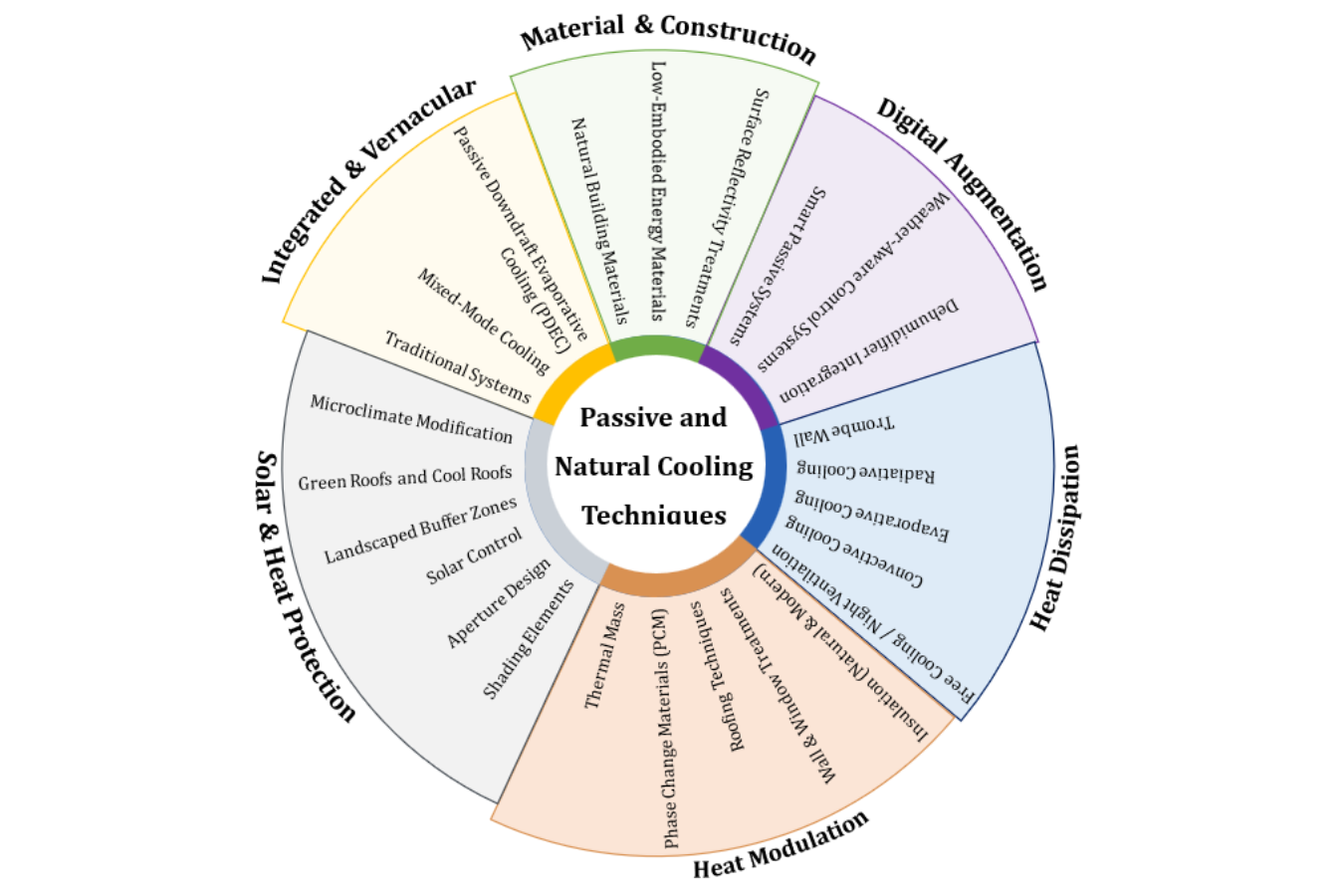
Rooted Innovation: Harnessing India's Passive Cooling Legacy for Modern Comfort
Indian architectural heritage offers proven passive cooling strategies that reduce indoor temperatures by 3–8°C. Blending traditional wisdom with smart technology can cut AC dependency by 50%, turning climate challenges into sustainable comfort solutions.
1. Climatic Synergy & Performance:
-
Hot-dry zones (Rajasthan/Gujarat): Evaporative cooling (5–8°C drop) and night ventilation leverage high diurnal swings.
-
Humid coasts (Mumbai/Chennai): Cross-ventilation + reflective roofs mitigate 67% of cooling loads naturally.
-
Polluted cities (Delhi): Solar chimneys improve air quality while reducing mechanical cooling by 50%.
2. Material Intelligence:
-
Thermal mass (rammed earth, fly ash bricks) delays heat ingress by 4–6 hours.
-
Cool roofs (lime wash, tiles) slash indoor temps by 3–5°C at ₹0.50–1.5/sq.ft.
-
Hollow clay tiles cut roof heat transmission by 60%.
3. Nature-Tech Integration:
-
Green walls/roofs lower ambient temps via evapotranspiration (e.g., Chennai rooftop gardens: 4–11°C cooler).
-
IoT-augmented jaalis (perforated screens) enable sensor-controlled ventilation in smart cities (Surat, Pune).
4. Scalable Vernacular Designs:
-
Courtyards (Indira Bhawan, Delhi) and wind towers (Rajasthan) drive stack ventilation, eliminating AC needs in 40–45°C heat.
-
Bamboo mat roofing and mud plaster offer low-cost insulation for affordable housing (PMAY projects).
5. Economic & Environmental Impact:
-
Passive techniques could reduce national cooling energy demand by 30–70%, avoiding 0.9 Gt CO₂ by 2050.
-
Cool roofs in Telangana/Gujarat demonstrate rapid scalability for vulnerable communities.
Integrating passive cooling into India’s together with Africa 100 billion square meter new construction by 2050 could unlock $1.6 trillion in green investment while making thermal comfort inclusive and climate-resilient.
%20as%20Advanced%20Green%20Materials.png?alt=media&token=10d61c1c-2487-464d-8b55-1dbb8d9d5138)
Chitin Nanocrystals (ChiNCs) as Advanced Green Materials
ChiNCs exemplify structural multifunctionality, leveraging natural crystallinity, tunable surface chemistry, and anisotropic morphology to replace synthetic stabilizers and polymers. Their integration into composites, emulsions, and energy materials underscores potential as a sustainable platform nanomaterial, though process economics remain critical for scalability.
Core Material Properties
-Structure & Origin: Rod-shaped nanocrystals (100–1500 nm length, 5–80 nm width) derived from seafood waste (shrimp/crab shells). High crystallinity (>80%) and aspect ratio enable superior mechanical reinforcement and interfacial structuring.
-Surface Chemistry: Amphiphilic architecture from acetyl (hydrophobic) and amino (hydrophilic) groups enables dispersion in both aqueous and organic systems. Tunable surface charge (cationic at acidic pH, anionic in alkaline) through controlled deacetylation.
-Thermal & Rheological Stability: Decomposition at ~363 °C; excellent thermal resistance. At >1.5 wt.%, ChiNCs induce sol-gel transitions, forming anisotropic, shear-thinning gels ideal for structured fluids.
Sustainable Processing Innovations
-Green Extraction: Deep Eutectic Solvents (DESs), hydrogen peroxide, and biological fermentation offer eco-friendly, one-pot extraction and functionalization routes, replacing harsh acids and minimizing chemical waste.
-Scale-Up Barriers: Traditional acid hydrolysis remains dominant but generates toxic effluents and requires corrosion-resistant infrastructure. DES and bio-processes show strong potential for sustainable industrial adoption.
Interfacial Engineering Capabilities
-Emulsion & Dispersion Stability: ChiNCs form long-lasting Pickering emulsions and stable colloids via steric-electrostatic repulsion. Amphiphilicity and rod shape facilitate dense interfacial networks.
-Foams & Gels: Capillary bridging and tunable electrostatic interactions enable formation of high-stability foams and hydrogels with significant rheological strength enhancement.
-Surface Functionalization: Chemical routes (e.g., acetylation, alkylation, silanization) tailor ChiNCs for use in oil phases, membranes, or responsive coatings, without compromising nanocrystal integrity.
Material Applications
Energy & Electronics
-Battery Electrodes: ChiNCs enhance conductivity and ionic transport in carbon-based anodes for lithium-ion batteries.
-Electrodes & Films: Used in conductive films and bioresorbable electronics due to their high nitrogen content and structural order.
Cosmetic & Biomedical
-Skincare Formulations: Excellent bioadhesion, antibacterial properties, and biocompatibility make ChiNCs ideal for creams, masks, and cosmetic suspensions.
-Drug Delivery & Tissue Engineering: High aspect ratio facilitates vascular transport; cationic surface enhances cellular adhesion and targeted delivery.
Packaging & Paper Materials
-Barrier Films: ChiNCs reinforce biopolymer films (e.g., PVA, methylcellulose), improving gas barrier, mechanical strength, and thermal stability in sustainable packaging.
-Paper Enhancement: Impart anti-microbial and water-resistant properties to paper and board, aiding in active packaging and hygiene applications.
Environmental Engineering
-Wastewater Treatment: Functionalized ChiNCs remove heavy metals and dyes through electrostatic and chelation mechanisms; adaptable to membrane or flocculation systems.
-Oil/Water Separation: Modified surfaces allow phase-selective adsorption, ideal for spill remediation and industrial discharge management.
Sustainability & Materials Impact
-Circular Bioeconomy: Valorizes seafood processing waste (>6–8 million tonnes/year), aligning with waste minimization and carbon footprint reduction goals.
-Industrial Readiness: While performance is proven across sectors, scale-up remains challenged by cost and batch reproducibility. Continued process innovation is vital for broader material deployment.
-Scientific Significance: ChiNCs exemplify a multifunctional, bio-derived nanomaterial platform with tunable interface chemistry, anisotropic reinforcement capability, and green processing compatibility. Their role in replacing synthetic additives across fluid, solid, and hybrid material systems marks them as a pivotal innovation in sustainable materials science.
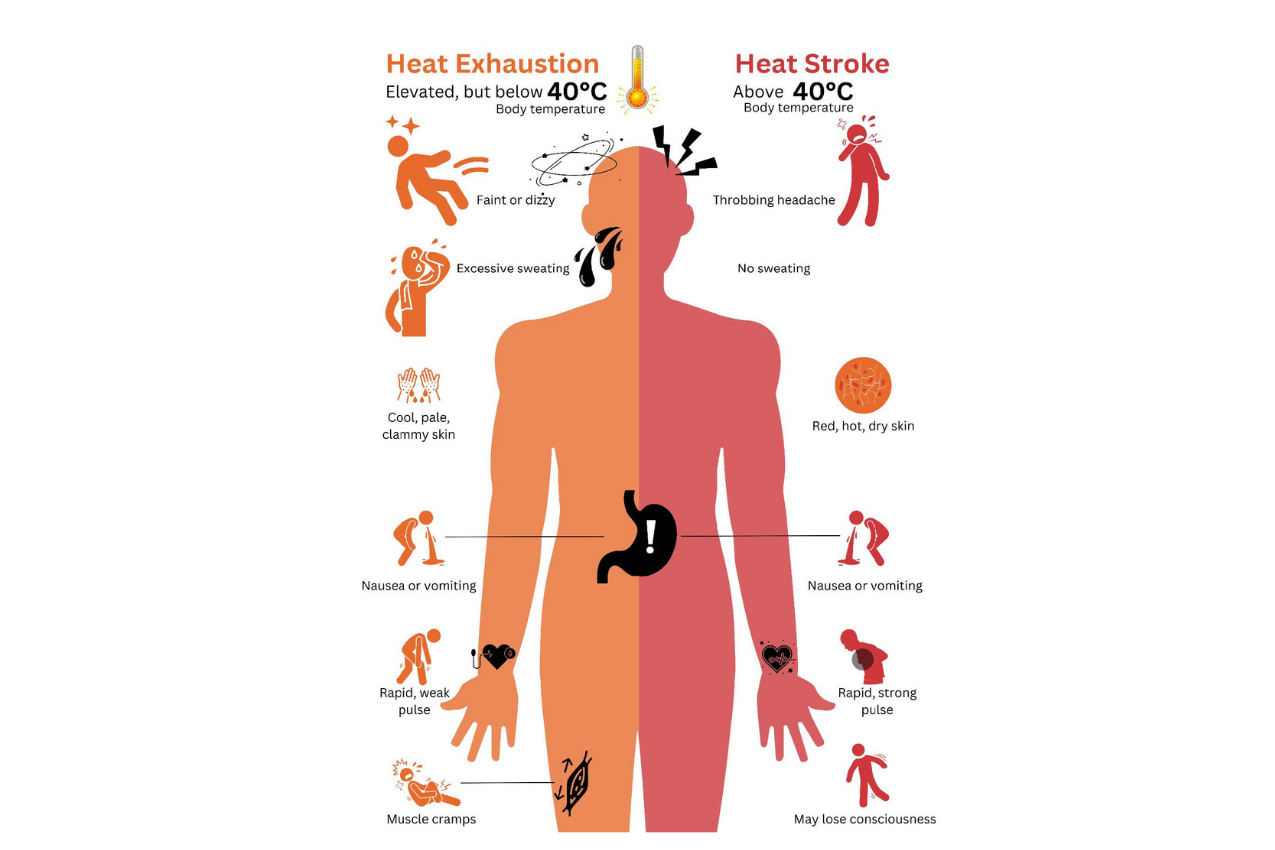
Advancing Heat Health Resilience: Scientific Insights from India's Frontlines
As India faces record-shattering heatwaves, this report synthesizes cutting-edge scientific frameworks for monitoring heat stress, critiques key thermal indices, and prioritizes urgent research to protect vulnerable populations. It reveals critical gaps in mortality tracking and advocates for precision tools like WBGT over traditional Heat Index in extreme conditions.
1. Heatwave Escalation: India's Burning Reality
Record-Breaking Extremes:
-
India hit 52.9°C in Delhi (2024), part of 536 heatwave days (highest since 2010), with 40,000+ suspected heatstroke cases.
-
Globally, 2024 was the hottest year on record, with a 66% chance of exceeding 1.5°C above pre-industrial levels annually (2023–2027).
-
Wet-bulb temperatures (Tw) ≥35°C, projected for Indian coasts by 2050, threaten 90% of the population with uncompensable heat stress.
Health and Economic Toll:
-
Heat stress caused 6% global sleep loss (2023) and 512 billion lost work hours (50% above 1990s average).
-
India’s labor losses hit 181.6 billion hours (2023), with agriculture hardest hit (323 billion cumulative hours lost).
2. Heat Exhaustion vs. Heat Stroke
Critical Clinical Thresholds: Heat exhaustion and heat stroke represent a continuum of heat-related illnesses. Heat exhaustion (<40°C core temperature) presents as dizziness, cramps, and dehydration. Untreated, it escalates to heat stroke, a medical emergency where core temperature exceeds 40°C, triggering thermoregulatory collapse, CNS dysfunction (confusion, coma), and multi-organ failure. Mortality spikes when wet-bulb temperatures (Tw) surpass 29–31°C (historical events) or 35°C (evaporative cooling failure). Immediate cold-water immersion is critical.
3. Limitations of the Heat Index
Scientific Shortcomings in Extreme Conditions:
-
Shade-Centric Bias: HI’s methodology assumes shaded, low-wind environments, ignoring direct sunlight (adds +8°C to perceived heat). Amaravathi’s HI 98°C forecast (April 2025) exemplifies its unreliability.
-
Physiological Irrelevance: HI values >54°C exceed human survivability limits and the Rothfusz equation’s valid range.
-
WBGT Superiority: At 37.8°C/39% RH, HI reads 42.2°C, but WBGT (factoring wind/solar radiation) drops to 32.8°C under cloud cover.
4. Assessment and Monitoring Strategies
Biometeorological Indicators:
-
WBGT ≥30°C mandates work-rest cycles to prevent kidney injury (affects 40% of India’s outdoor workers).
-
UTCI >34–35°C correlates with 31.3% higher mortality risk per 1°C rise by integrating radiant heat and metabolic factors.
Advanced Surveillance:
-
Real-time dashboards (e.g., Ahmedabad’s HAP) fuse IMD alerts with hospital data, triggering mobile units during HI ≥45°C.
-
AI-enhanced systems combine CMIP6 climate projections, satellite thermal imaging, and socioeconomic vulnerability indices.
Vulnerability Mapping:
- Heat Vulnerability Indices (HVI) reveal higher rural susceptibility (inverse correlation with urbanization via PCA analysis).
5. Questions for Further Research
-
Genomic Susceptibility: Do TRPV1 gene polymorphisms predict individualized heatstroke risk?
-
Urban Mitigation: What efficacy thresholds exist for cool roofs vs. green walls across climatic zones?
-
Data Integration: Can blockchain-based registries unify fragmented mortality tracking?
-
Hyperlocal Monitoring: How can ML + remote sensing enable street-level risk mapping?
Latest Updates & Announcements
Get Involved in Our Upcoming Work

Expected Release: Oct 2026